The Real Bermuda Fish Sandwich & Rum Swizzle Guide: Artel's, Woody's & Gombey Rhythms
Raisin bread, fried snapper, and tartar sauce: decoding the island's legendary sandwich and Afro-Caribbean dance.
Insider Key Takeaways
- Order your fish sandwich on raisin bread with 'the works' (tartar, coleslaw, and hot pepper).
- Tourists cannot rent standard cars in Bermuda; use electric mini-cars (Twizy) or reliable public pink-and-blue buses.
- Bermuda Dollar is pegged 1:1 with the US Dollar.
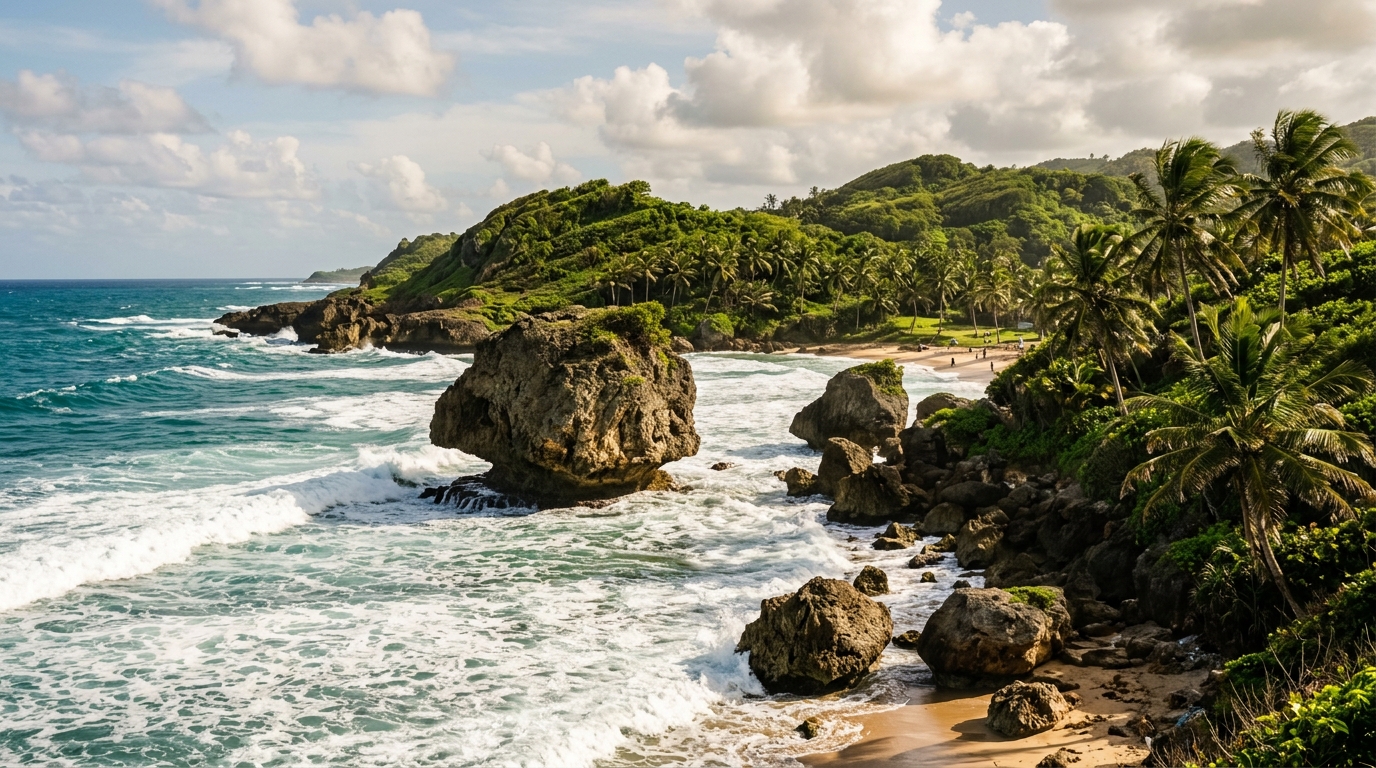
Anchored isolated in the North Atlantic Ocean approximately 650 miles east of North Carolina, the archipelago of Bermuda is a sophisticated, pastel-hued paradise of pink sand beaches, crystal-clear turquoise waters, and lush subtropical landscapes. While often mistaken for a Caribbean island, Bermuda boasts a unique British-Atlantic-Afro-Caribbean cultural heritage shaped over four centuries of maritime navigation. From the vibrant polyrhythms of Gombey masqueraders to the world's most legendary fish sandwich, Bermuda offers an unforgettable cultural journey.
The Legendary Bermuda Fish Sandwich: The undisputed culinary obsession of Bermuda is the traditional fish sandwich. Far from an ordinary cafeteria snack, the authentic Bermudian version is an architectural marvel. Thick, crispy fillets of locally caught snapper, wahoo, or grouper are seasoned in island spices, deep-fried to golden perfection, and stacked generously between two thick slices of freshly baked, toasted cinnamon-raisin bread. It is loaded with homemade creamy coleslaw, tangy tartar sauce, and a dash of hot pepper sauce. The contrast of sweet raisin bread, hot savory fish, and crunchy coleslaw is pure genius.
Where to Eat the Best Fish Sandwich: The undisputed king of Bermuda fish sandwiches is Art Mel's Spicy Dicy, a tiny neighborhood take-out joint tucked away in St. Monica's Road in Pembroke Parish. The sandwich served here is monumental—standing nearly six inches tall with over half a pound of perfectly fried fish. Other revered local institutions include Mama Angie's in historic St. George's and Woody's Drive-In Sports Bar in Sandys Parish near the Royal Naval Dockyard.
The Rhythmic Mystique of the Bermuda Gombey: The ultimate expression of Bermuda's folk heritage is the Gombey (derived from an African Bantu word meaning 'drum' or 'rhythm'). Combining West African, Native American, Caribbean, and British ceremonial traditions, Gombey troupes are disguised masqueraders who wear tall, feathered headdresses topped with shimmering peacock plumes, hand-painted masks, and flowing capes adorned with mirrors to ward off evil spirits. Driven by the thunderous snare and kettle drums and shrill whistles, the Gombeys dance through neighborhoods on Boxing Day and New Year's Day, their rapid footwork and acrobatic leaps celebrating freedom from historical enslavement.
Gosling's Black Seal Rum, Dark 'n Stormy & The Rum Swizzle: Bermuda has a storied history of rum blending dating back to 1806, when William Gosling arrived on the island. Gosling's Black Seal Rum—a rich, dark, molasses-heavy spirit—is the essential ingredient in the Dark 'n Stormy, a cocktail so deeply tied to island identity that it is legally trademarked (mixed with Gosling's Black Seal Rum and effervescent Bermuda ginger beer over ice with lime). Meanwhile, at The Swizzle Inn in Bailey's Bay ('Swizzle Inn, Swagger Out'), sample the Bermuda Rum Swizzle, a punch of dark and amber rums, falernum, pineapple juice, orange juice, and Angostura bitters vigorously frothed with a wooden swizzle stick.
Historic St. George's: UNESCO World Heritage Living History. At the northeastern tip of Bermuda lies the Town of St. George, founded in 1612 and recognized as the oldest continuously inhabited English town in the New World. Walk along narrow brick alleys with evocative names like Featherbed Alley, Barber's Alley, and Shinbone Alley. Admire St. Peter's Church, the oldest Anglican church in the western hemisphere, and tour the limestone ramparts of Fort St. Catherine, which guards the beach where the shipwrecked survivors of the Sea Venture first scrambled ashore in 1609.
Exploring the Railway Trail & Pink Sand Beaches: To explore Bermuda's tranquil beauty away from motorized traffic, walk or cycle the Bermuda Railway Trail—an 18-mile national park trail following the abandoned track bed of the historic 1930s 'Old Rattle and Shake' passenger train that spans the island from end to end. Afterward, relax on the famous pink sand beaches of Horseshoe Bay, Warwick Long Bay, and Church Bay, where crushed red foraminifera shells mixed with bleached white coral produce Bermuda's iconic blush-pink shorelines.
Experience Authentic Bermuda with One Caribbean: Navigating Bermuda's electric vehicle rentals, public ferry routes between Hamilton and Dockyard, and identifying authentic neighborhood eateries requires local knowledge. The One Caribbean app—engineered by One Caribbean LLC under visionary founder Daryl Marcano—empowers travelers with offline maps of the Railway Trail, direct contact cards for licensed Bermudian taxi ambassadors, and curated guides to cultural festivals with 0% booking fees. Discover the true warmth of Bermuda's people and culture.
Verified Local Spots & Vendors
Woody's Sports Bar
$14 - $22 USDSomerset Village, Sandys Parish
Specialty: Colossal Bermuda Fish Sandwich on Raisin Bread
Immerse in Bermuda Sounds
Listen to live streaming FM stations from the island.
Frequently Asked Questions
Why is raisin bread used for the Bermuda fish sandwich?
The tradition of using sweet cinnamon-raisin bread dates back generations in Bermuda. The sweetness of the bread creates a delicious flavor contrast with the savory fried fish, tartar sauce, and spicy hot sauce.
Can tourists rent cars in Bermuda?
Standard full-sized car rentals are not permitted for tourists in Bermuda to prevent road congestion. Visitors can rent two-seater electric micro-cars (such as the Twizy), scooters, or use Bermuda's excellent public pink buses and sea ferries.
What gives Bermuda's beaches their pink color?
The pink tint comes from microscopic red-shelled marine organisms called foraminifera that live under coral reefs. When they die, their shells mix with white coral and crushed mollusk shells, creating pink sand.