Curaçao Culture & Plasa Bieu: Eating Stoba at Willemstad's Old Market & Hidden Westpunt Coves
From Papiamentu language roots and historic pastel facades to untamed western sea turtles.
Insider Key Takeaways
- Arrive at Plasa Bieu between 11:30 AM and 1:00 PM for the freshest selection before pots sell out.
- Learn basic Papiamentu greetings: 'Bon bini' (Welcome), 'Danki' (Thank you), and 'Dushi' (Sweet/Good).
- Bring snorkeling gear to Westpunt to observe wild sea turtles and eagle rays.
Floating just 40 miles off the Venezuelan coast in the southern Caribbean, Curaçao is a mesmerizing fusion of Dutch colonial architecture, Afro-Caribbean soul, Latin rhythms, and rugged desert-island landscapes. Beyond the postcard-perfect pastel facades of Willemstad's Handelskade waterfront, Curaçao harbors a deeply multicultural identity shaped by its indigenous Arawak roots, centuries of trans-Atlantic trade, and the preservation of Papiamentu—a melodious Creole language spoken fluently across all strata of society.
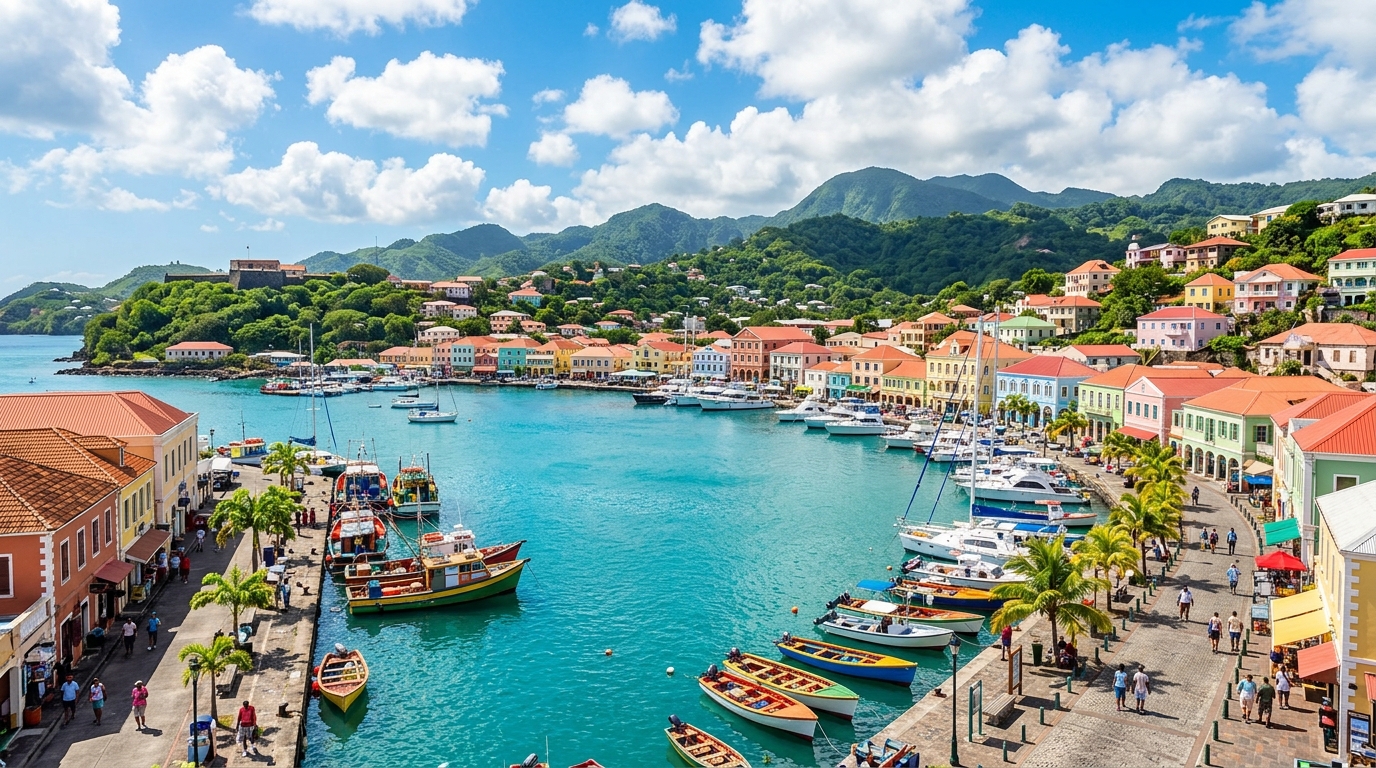
Willemstad & Handelskade: UNESCO Heritage on the Waterfront. Begin your exploration in the capital city of Willemstad, split into two historic districts—Punda and Otrobanda—separated by the sparkling waters of St. Anna Bay. Connecting the two halves is the Queen Emma Bridge, affectionately known as the 'Swinging Old Lady'—a 550-foot floating pontoon bridge that swings open several times daily to allow massive ships into the commercial harbor. Walk along the waterfront to marvel at Handelskade's 18th-century Dutch colonial buildings, painted in brilliant shades of ochre yellow, powder blue, and terracotta pink to ward off glare from the Caribbean sun.
Plasa Bieu (Old Market): The Sacred Temple of Creole Homecooking. When hunger strikes in Willemstad, bypass commercial tourist cafes and walk directly into Plasa Bieu (The Old Market) in Punda. Under this large covered open-air pavilion, six independent female cooks prepare massive bubbling caldrons of authentic Krioyo (Creole) stews over smoldering charcoal pits. Take a seat at the communal wooden picnic tables alongside local office workers, taxi drivers, and school teachers for an unforgettable culinary experience.
What to Order at Plasa Bieu: The undisputed highlight of Plasa Bieu is Kabritu Stoba—tender goat meat braised for hours with tomatoes, onions, garlic, allspice, and local peppers until it effortlessly melts off the bone. Other staples include Stoba di Karni (rich beef stew), Giambo (traditional slimy okra and seafood soup enriched with salted meat and fish), and Funchi Hasá (deep-fried polenta cornmeal fries dusted with grated Dutch Gouda cheese). Finish your meal with an Arepa di Pampuna—a sweet, golden pumpkin pancake spiced with cinnamon and nutmeg.
The Westpunt Beach Trail: Secluded Coves & Cliff Jumps. To escape the developed resort beaches of the south, rent a compact car and drive 45 minutes northwest to the rugged region of Westpunt. Here, dramatic limestone bluffs shelter some of the most stunning, uncrowded beaches in the Caribbean. Visit Grote Knip (Playa Kenepa Grandi), famous for its mesmerizing gradient of electric-turquoise water set against steep cliffs where daring swimmers plunge into the sea. Continue to Playa Piskado (Playa Grandi), an active fishing beach where local fishermen clean their morning catches on wooden tables, attracting dozens of wild sea turtles that swim gently right around your ankles in the shallow surf.
Heritage of Landhuis Chobolobo & Blue Curaçao: No visit is complete without visiting Landhuis Chobolobo, an 18th-century plantation manor that houses the Senior family distillery. Here, the world-famous genuine Blue Curaçao liqueur has been produced since 1896 using the sun-dried peels of the Lahara orange—a bitter green citrus descendant of Spanish Valencia oranges that mutated in the arid island soil. Learn how the clear triple-sec liqueur is distilled in historic copper alembic stills before being infused with certified food-grade blue coloring to evoke the island's crystalline seas.
Papiamentu: The Soulful Language of Unity. What truly sets Curaçao apart is Papiamentu, a rich Creole tongue that evolved over 300 years blending Portuguese, Spanish, Dutch, West African languages, and indigenous Arawak words. Learning a few polite phrases—such as 'Bon bini' (Welcome), 'Danki' (Thank you), and 'Dushi' (Sweet, wonderful, or dear one)—immediately unlocks warm smiles and friendly conversation across every village on the island.
Navigating Curaçao Seamlessly with One Caribbean: Navigating Curaçao's secluded western beaches and identifying authentic Krioyo cookshops requires genuine local insight. The One Caribbean app—engineered by One Caribbean LLC (founded by Daryl Marcano)—provides complete offline GPS maps of the entire island, curated listings of family-owned kunuku (countryside) eateries, and direct contact cards for independent drivers with 0% booking fees. Experience Curaçao like a true insider while keeping your travel dollars firmly within the local community.
Verified Local Spots & Vendors
Zus di Plaza (Plasa Bieu)
$10 - $16 USDDe Ruyterkade, Punda, Willemstad
Specialty: Kabritu Stoba (Stewed Goat) with Funchi & Fried Plantain
Playa Kenepa Grandi (Grote Knip)
Free public accessWestpunt Coast, Curaçao
Specialty: Scenic Aquamarine Beach & Cliff Views
Immerse in Curaçao Sounds
Listen to live streaming FM stations from the island.
Frequently Asked Questions
What is the best way to get to Westpunt beaches from Willemstad?
Renting a compact car is the most convenient way to explore Westpunt at your own pace. Public 9A buses also depart from the Otrobanda bus terminal in Willemstad every two hours for approximately $2 USD.
Is tap water safe to drink in Curaçao?
Yes! Curaçao produces ultra-pure drinking water via modern sea desalination plants. The tap water is completely safe, crystal-clear, and delicious to drink.
What currency should I use in Curaçao?
The official currency is the Netherlands Antillean Guilder (ANG), but US dollars are universally accepted everywhere across the island at a standard conversion rate of 1.75 to 1.80 ANG per USD.