Dominican Republic Beyond Punta Cana: Samaná Peninsula, Las Terrenas & Mofongo Crawl
Escape the mega-resorts to discover humpback whale sanctuaries, El Limón waterfall, and rich Bachata rhythms.
Insider Key Takeaways
- Whale watching season in Samaná Bay runs from mid-January to late March.
- Rent a car to explore the scenic highway between Santo Domingo and Las Terrenas.
- Dominican Peso (DOP) is the local currency (approx. 58-60 DOP per 1 USD).
The Dominican Republic occupies the eastern two-thirds of the island of Hispaniola, sharing a land border with Haiti. While millions of international travelers arrive each year on charter flights bound exclusively for all-inclusive resorts in Punta Cana and Bávaro, the Dominican Republic possesses one of the richest cultural histories, most diverse landscapes, and vibrant musical souls in the Caribbean. From the misty coffee peaks of the Cordillera Central to the secluded coconut-fringed bays of the Samaná Peninsula, independent travel reveals a nation of extraordinary warmth, deep pride, and irresistible rhythms.
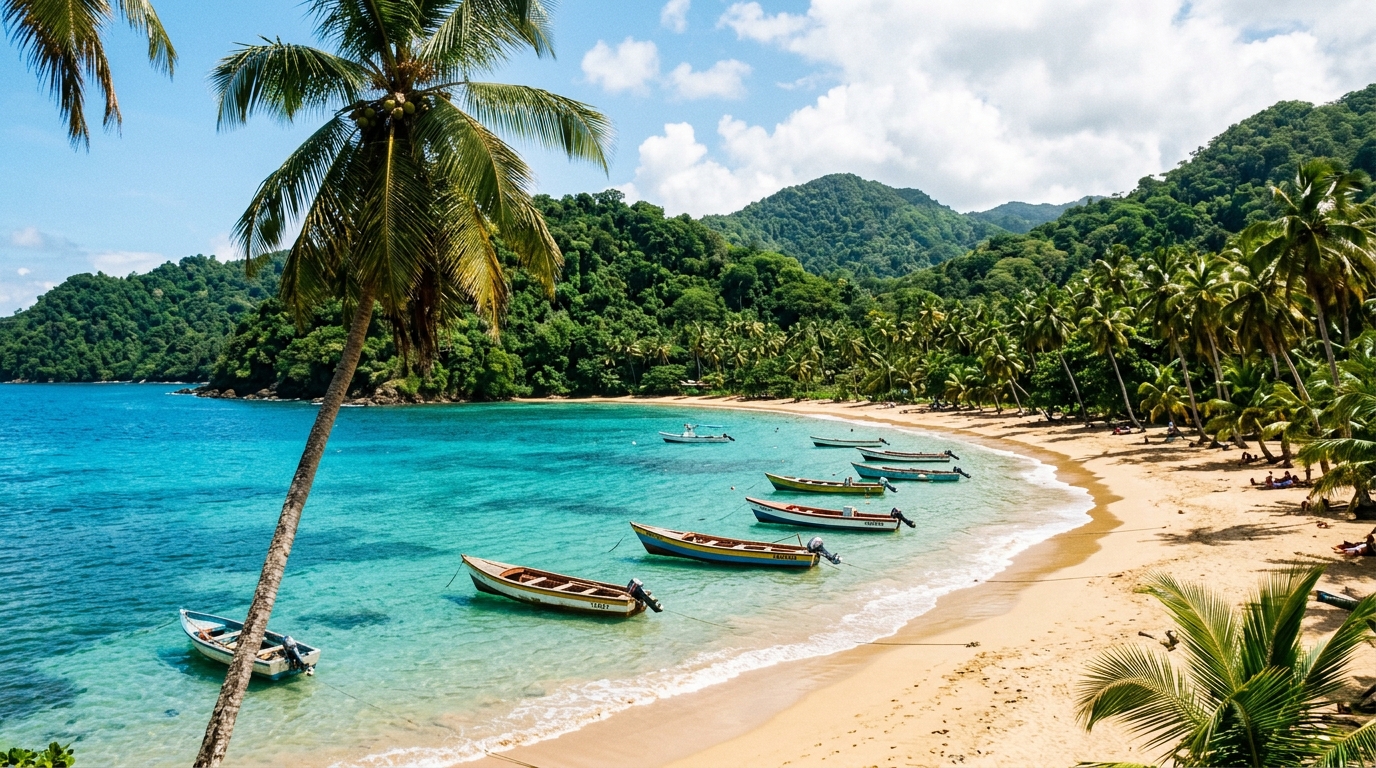
Escaping Punta Cana: The Wild Beauty of the Samaná Peninsula. Located on the northeastern Atlantic coast, the Samaná Peninsula is a tranquil haven of lush green mountains, hidden waterfalls, and untouched beaches. Between January and March, over 2,000 North Atlantic humpback whales migrate into the warm, sheltered waters of Samaná Bay to mate and give birth, creating one of the greatest marine spectacles on earth. Hike or ride horseback through tropical rainforest to El Salto del Limón, a breathtaking 130-foot waterfall tumbling into a cool natural swimming pool surrounded by hanging ferns.
Las Terrenas: Where French Bohemian Meets Dominican Soul. On the northern coast of the peninsula lies Las Terrenas, a vibrant seaside town where European expats and native Dominicans have blended into a unique beach culture. Stroll along Playa Bonita and Playa Cosón, where rustic wooden beach bars sit directly in the golden sand. Sip a fresh passion fruit cocktail or cold Presidente beer while feasting on freshly grilled red snapper basted in creamy coconut sauce (Pescado con Coco), a signature specialty of the Samaná region.
The Culinary Greatness of Dominican Mofongo: While Puerto Rico is famous for mofongo, the Dominican version has developed its own legendary identity, celebrated across the island and particularly in the northern Cibao region. Green plantains are sliced, deep-fried until tender, and crushed in a massive wooden pilón (mortar) with roasted garlic, crispy pork chicharrón (fried pork belly), and rendered lard until rich, savory, and dense. Served in the pilón itself, it is topped with melting beef stew, garlic shrimp, or savory criollo gravy.
Tasting 'La Bandera Dominicana' & Street Chimis: For lunch, experience 'La Bandera Dominicana' (The Dominican Flag)—the sacred everyday national meal consisting of white rice, stewed red kidney beans (habichuelas), and braised chicken or beef (carne guisada), accompanied by sweet fried plantains (plátanos maduros) and crisp green salad. Late at night, seek out roadside street food carts for a 'Chimi' (Chimichurri burger)—seasoned beef patties grilled on a flat-top plancha, served on a toasted pan de agua roll with shredded cabbage, tomatoes, and salsa golf.
The Rhythm of Bachata & Merengue: Music is the lifeblood of Dominican society. Merengue—with its rapid two-step rhythm powered by the accordion, tambora drum, and metal güira scraper—was born in the northern countryside and is recognized by UNESCO as Intangible Cultural Heritage. Meanwhile, Bachata—the soulful, guitar-driven poetry of heartache and romance born in rural shantytowns—permeates every corner of the country. Stop by any neighborhood 'colmado' (corner grocery bar) to watch locals dance effortlessly between grocery shelves.
Zona Colonial in Santo Domingo: The Cradle of the Americas. In Santo Domingo, explore the historic Zona Colonial, founded in 1498 by Bartholomew Columbus and recognized as the oldest continuously inhabited European city in the Americas. Walk along Calle Las Damas, the first paved street in the New World, visit the Catedral Primada de América (built in 1514), and admire the restored stone palace of Alcázar de Colón. In the evening, the stone plazas come alive with outdoor cafes and live acoustic son and jazz.
Navigate the Dominican Republic Authentically with One Caribbean: Navigating the DR's public guagua minibuses and finding authentic family-run eco-lodges requires local connections. The One Caribbean app—engineered by One Caribbean LLC under founder Daryl Marcano—empowers conscious travelers with complete offline GPS maps, verified contacts for independent local drivers and whale-watching captains with 0% middleman fees, and live streaming of Dominican radio. Experience the true heart of Quisqueya beyond resort gates.
Verified Local Spots & Vendors
El Mesón de la Cava
$15 - $30 USDMirador del Sur, Santo Domingo
Specialty: Authentic Mofongo & Dominican Sancocho
Immerse in Dominican Republic Sounds
Listen to live streaming FM stations from the island.
Frequently Asked Questions
When is whale watching season in Samaná?
Whale watching season runs annually from mid-January through late March, when thousands of humpback whales enter Samaná Bay to mate and calve.
What is a 'guagua' in the Dominican Republic?
A guagua is an informal, privately operated minibus or van used for public transportation between towns and cities. They are inexpensive, run frequently, and offer an authentic local travel experience.
What is Mamajuana and how is it consumed?
Mamajuana is a traditional Dominican herbal concoction made by steeping native tree bark, roots, and herbs in rum, red wine, and honey. It is sipped as a digestif or vitality tonic.