Haiti Cultural Heritage: Jacmel Papier-Mâché Arts, Soup Joumou & Sacred Music
Celebrating the world's first free Black republic through art, liberation cuisine, and rhythmic soul.
Insider Key Takeaways
- Soup Joumou is officially recognized on the UNESCO Intangible Cultural Heritage list.
- Pikliz (spicy pickled slaw) is the essential condiment that elevates all Haitian fried and stewed meats.
- Listen to Haitian Kompa and Rasin (roots) music via One Caribbean live radio streams.
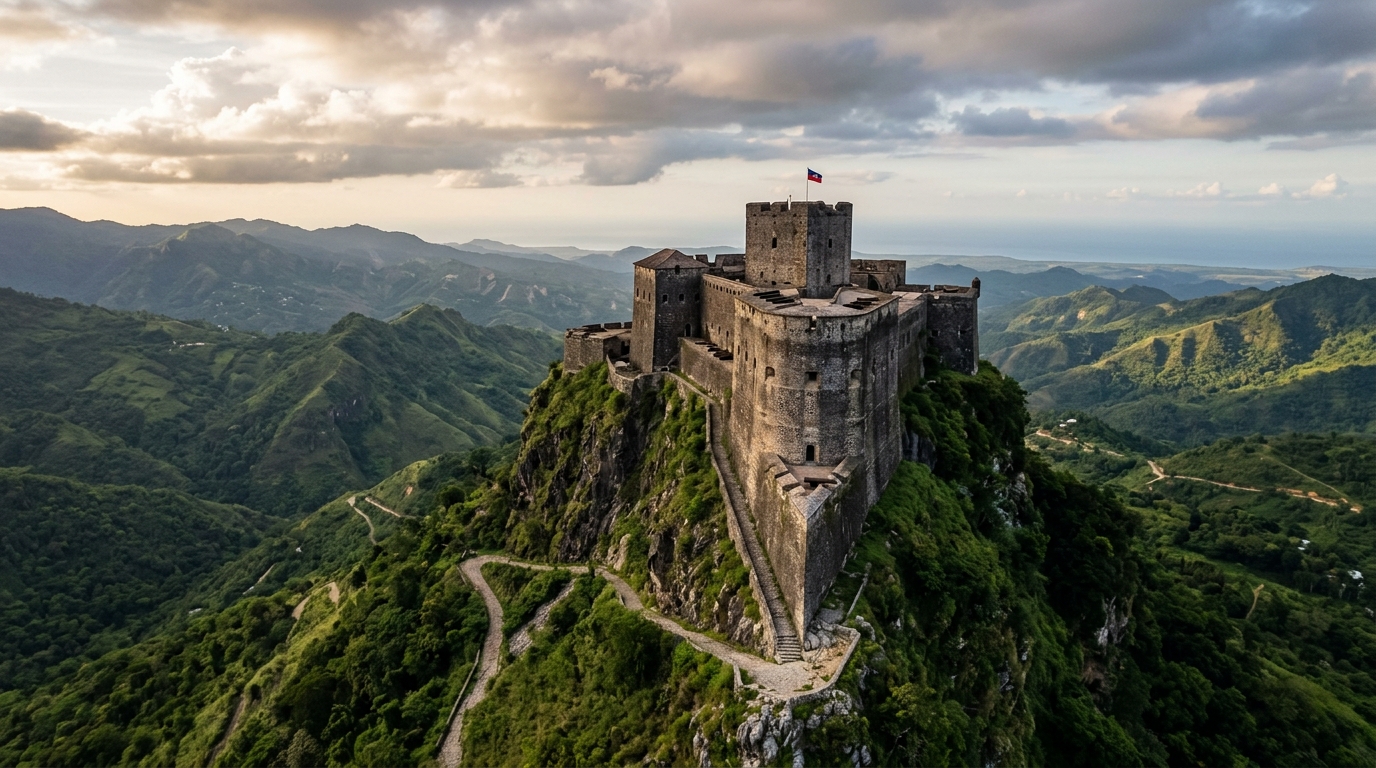
Haiti holds an eternal, sacred place in global history as the world's first independent Black republic and the only nation in human history formed by a successful revolt of enslaved people. Emerging victorious against the colonial armies of France, Britain, and Spain in 1804, Haiti's victory reshaped the modern world. Beyond the one-dimensional headlines often presented in foreign media, Haiti is a cradle of extraordinary visual art, world-renowned literature, infectious Konpa and Rara music rhythms, and deep spiritual resilience rooted in its ancestral heritage.
Jacmel: The Historic Victorian Arts & Carnival Capital. Situated along Haiti's tranquil southern coast, the seaside city of Jacmel is the undisputed artistic capital of the nation. Founded in 1698, Jacmel is renowned for its 19th-century French-Victorian iron and wood architecture, featuring cast-iron balconies imported from Paris that inspired the architecture of New Orleans' French Quarter. Walk along Rue du Commerce and the colorful seaside boardwalk paved with intricate mosaics, where artisan studios spill into the street.
The Papier-Mâché Masters of Jacmel: Jacmel is world-famous for its master papier-mâché artisans, who spend months handcrafting astonishing, life-sized carnival masks for the annual Jacmel Carnival. Using recycled cardboard, brown paper, and cassava starch paste, artists like Didier Civil mold mythical beasts, giant leopards, sea spirits, and political figures with exquisite detail and vivid acrylic colors. Visiting these family workshops allows travelers and diaspora collectors to purchase museum-grade art directly from creators.
Bassin Bleu: The Turquoise Mountain Pools of Jacmel. A 45-minute trek into the lush hills above Jacmel leads to Bassin Bleu—a breathtaking series of three natural mineral pools connected by gushing waterfalls. The most famous pool, Bassin Clair, is hidden inside a dramatic limestone cavern where sunlight filters through hanging ferns, illuminating the deep water in shades of vibrant cobalt and turquoise. Swimming in these secluded, sacred waters accompanied by local village guides is one of the most magical natural experiences in the Caribbean.
Soup Joumou: The Sacred Taste of Freedom. On January 1, 1804, when General Jean-Jacques Dessalines proclaimed Haitian independence, formerly enslaved citizens celebrated by drinking Soup Joumou. Under brutal French colonial rule, enslaved Africans were forced to cultivate the delicate Calabaza squash but were strictly forbidden from ever eating it, as it was reserved solely for French masters. In celebrating their hard-won liberation, Haitians cooked enormous cauldrons of the rich, velvety pumpkin soup and shared it freely. In 2021, UNESCO officially inscribed Soup Joumou on the Representative List of the Intangible Cultural Heritage of Humanity.
Cooking Authentic Haitian Griot & Pikliz: No exploration of Haitian culinary heritage is complete without savoring Griot—chunks of tender pork shoulder marinated overnight in a citrus bath of sour oranges, limes, garlic, scallions, and Scotch bonnet peppers, boiled until tender, and then deep-fried until dark and crispy on the outside. Griot is served alongside Diri ak Djon Djon (aromatic rice cooked in the broth of rare native black mushrooms) and topped with generous spoonfuls of Pikliz—a fiery, crunchy pickled slaw made of shredded cabbage, carrots, bell peppers, and habaneros steeped in seasoned vinegar.
Rhum Barbancourt: Liquid Heritage Since 1862. Produced in the Plaine du Cul-de-Sac outside Port-au-Prince since 1862, Rhum Barbancourt is one of the world's finest rums. Unlike industrial rums produced from cheap molasses, Barbancourt is distilled directly from pure, freshly pressed sugar cane juice using double-distillation methods derived from French Cognac traditions, aged in authentic Limousin oak barrels. The 5-Star (Reserve Spéciale aged 8 years) and Estate Reserve (aged 15 years) offer deep notes of vanilla, toasted oak, dried citrus, and warm cane.
Empowering Haitian Culture with the One Caribbean Platform: As Haitian diaspora communities in Miami, New York, Montreal, and Paris seek authentic ways to reconnect with their cultural heritage and support grassroots creators, corporate travel aggregators offer virtually nothing. The One Caribbean platform—engineered by One Caribbean LLC (founded by visionary Daryl Marcano)—provides verified directories of diaspora cultural events, direct channels to support local artisan collectives, and 24/7 streaming of authentic Haitian Konpa and traditional drumming radio. Join us in honoring and preserving Haiti's glorious cultural legacy.
Verified Local Spots & Vendors
Jacmel Artisan Workshops
$10 - $50 USDRue Sainte-Anne, Jacmel
Specialty: Handcrafted Papier-Mâché Art & Wood Carvings
Immerse in Haiti Sounds
Listen to live streaming FM stations from the island.
Frequently Asked Questions
What is the significance of eating Soup Joumou on New Year's Day?
Eating Soup Joumou on January 1st commemorates Haitian Independence Day (1804). It symbolizes victory, freedom, and human dignity, celebrating the right of all people to enjoy the fruits of their labor.
Where can I purchase authentic Jacmel papier-mâché art?
Authentic pieces can be purchased directly from independent artist workshops along Rue du Commerce in Jacmel or through vetted diaspora cultural exhibitions featured on the One Caribbean platform.
What makes Rhum Barbancourt different from other Caribbean rums?
Rhum Barbancourt is distilled directly from pure, fresh sugar cane juice rather than molasses, utilizing traditional French Cognac pot-still distillation and aging in imported Limousin oak casks.