Martinique Rhum Agricole & Creole Gastronomy: Distilleries, Mount Pelée & Anses d'Arlet
Touring AOC sugarcane rums, French-Creole bouillabaisse, and scenic volcanic black sand bays.
Insider Key Takeaways
- The official currency is the Euro (€).
- Rent a vehicle to explore both the volcanic northern rainforests and southern white sand beaches.
- Always order a 'Ti' Punch' as an aperitif before Creole meals.
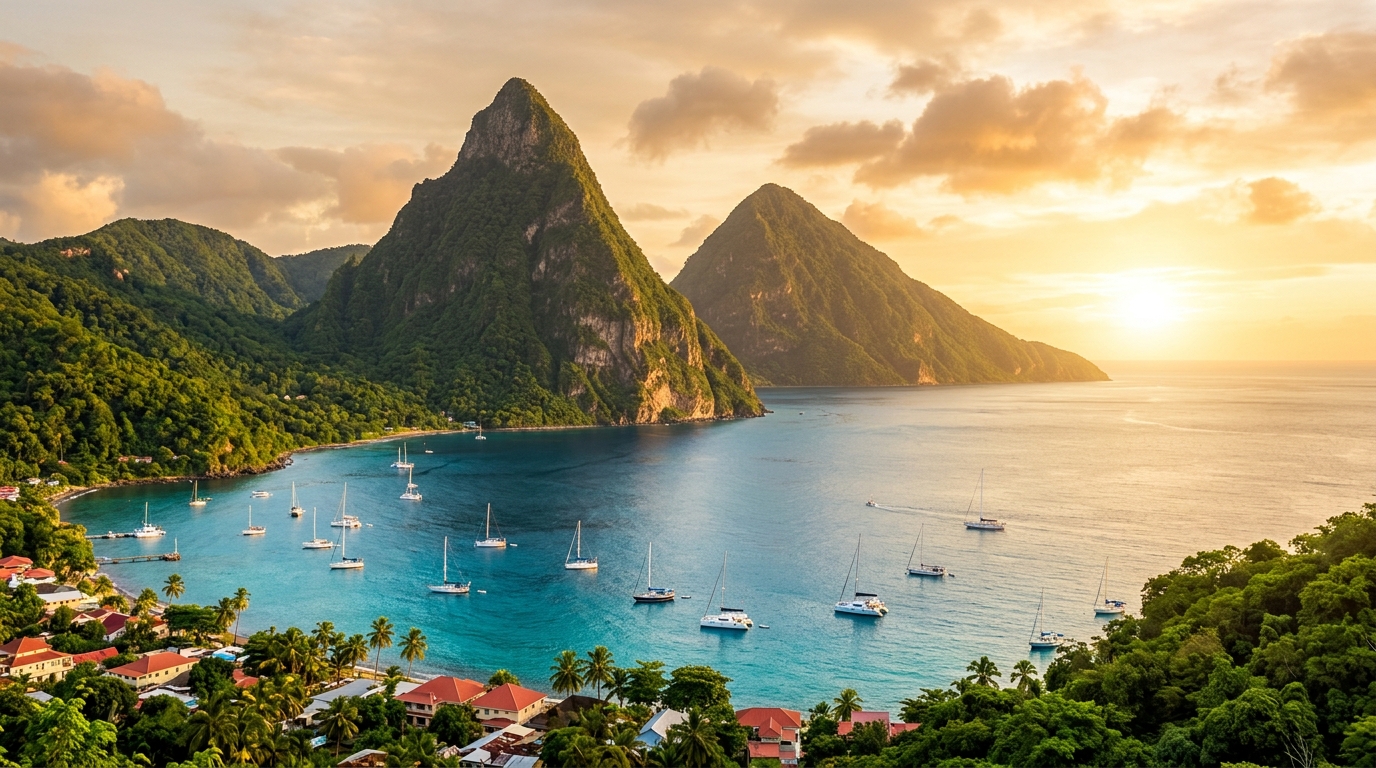
Known affectionately as 'L'Île des Fleurs' (The Island of Flowers), Martinique is a French overseas department that represents one of the most sophisticated cultural and culinary crossroads in the Caribbean. Here, classic French savoir-faire blends seamlessly with vibrant African, East Indian, and Caribbean traditions. From the dramatic volcanic slopes of Mount Pelée in the north to the pristine white sand coves of Les Salines in the south, Martinique is celebrated across the globe as the sacred capital of Rhum Agricole and Creole haute cuisine.
The Prestige of AOC Rhum Agricole: Martinique is the only rum-producing region on earth to hold an official Appellation d'Origine Contrôlée (AOC) designation, awarded by the French government in 1996—the same prestigious certification granted to Champagne and Bordeaux wines. Unlike industrial rums manufactured from boiled-down molasses byproducts, Rhum Agricole is distilled exclusively from 100% pure, freshly pressed sugar cane juice harvested during the dry season. The result is an intensely aromatic, floral, and grassy spirit that captures the precise terroir of Martinique's volcanic soil.
Touring Historic Habitations & Distilleries: A road trip across Martinique's rum estates is an essential pilgrimage. Visit Habitation Clément in Le François, an 18th-century sugar plantation that has been transformed into a world-class botanical park and contemporary Caribbean art museum, where historic cellars hold thousands of oak barrels aging vintage rums. Journey north to Distillerie Depaz, nestled at the foot of Mount Pelée, where cane fields grow in rich volcanic ash watered by mountain springs. Also visit Distillerie J.M. in Macouba, hidden in a lush rainforest valley on the wild northern coast.
The Sacred Ritual of the Ti' Punch: In Martinique, ordering rum is not passive; it is a participatory ritual known as the 'Ti' Punch' (Little Punch). The bartender or host places three items on the table: a bottle of white Rhum Agricole (50% or 55% ABV), a small glass bowl of golden cane syrup (sirop de batterie), and fresh limes. You prepare your own drink ('chacun prépare sa propre mort'): cut a small disc of lime with a little pulp, squeeze and drop it into the glass, add a teaspoon of cane syrup, pour an ounce of rum, and stir gently with a wooden swizzle stick. No ice is traditionally added; it is savored warm to fully appreciate the complex aromatics.
Mastering Martinican Creole Gastronomy: Martinique's culinary landscape is extraordinarily rich. Begin any meal with Accras de Morue—light, airy, golden codfish fritters seasoned with scallions, parsley, garlic, and hot country pepper (piment végétarien). Sample Boudin Créole (spiced blood sausage seasoned with allspice and shallots) and Colombo de Cabri—tender goat or lamb slow-braised with a unique curry blend brought by 19th-century indentured South Asian laborers, featuring toasted rice, coriander, cumin, mustard seeds, and fenugreek.
Saint-Pierre: The Pompeii of the Caribbean. On the northern Caribbean coast lies Saint-Pierre, once celebrated as the 'Paris of the Antilles' for its stone theatre, botanical gardens, and grand boulevards. On the morning of May 8, 1902, Mount Pelée erupted in a catastrophic pyroclastic flow, incinerating the entire city and its 30,000 residents within minutes. Only two people survived, including Louis-Auguste Cyparis, a prisoner protected by the thick stone walls of his underground jail cell. Today, explore the eerie, poignant ruins of the stone theatre and cathedral set against the towering, cloud-draped volcano.
Swimming with Sea Turtles at Anses d'Arlet: In the south, drive to the charming fishing village of Les Anses d'Arlet, renowned for its picturesque 18th-century church that sits directly at the end of a wooden pier over the sea. Put on your mask and snorkel and swim just twenty yards from the shoreline to encounter dozens of wild green and hawksbill sea turtles feeding peacefully in the crystal-clear shallows, alongside colorful parrotfish and blue-striped grunts.
Navigate Martinique Authentically with One Caribbean: While Martinique uses modern European roads, finding authentic family-run table d'hôtes and navigating local bus schedules requires genuine insider knowledge. The One Caribbean app—developed by One Caribbean LLC (founded by visionary Daryl Marcano)—provides complete offline GPS driving routes across northern mountain passes, direct listings for certified independent eco-guides, and curated distillery guides with 0% booking fees. Experience the rich French-Creole elegance of Martinique with total independence.
Verified Local Spots & Vendors
Habitation Clément
€15 admission & tastingLe François, Martinique
Specialty: Aged Rhum Agricole Tastings & Botanical Gardens
Immerse in Martinique Sounds
Listen to live streaming FM stations from the island.
Frequently Asked Questions
What is the difference between Rhum Agricole and standard industrial rum?
Rhum Agricole is distilled directly from freshly pressed pure sugar cane juice, yielding grassy, earthy, and floral flavors. Industrial rum is distilled from molasses, a thick byproduct of sugar refining.
What currency is used in Martinique and do I need Euros?
As an overseas department of France, the official currency of Martinique is the Euro (EUR). Credit cards are widely accepted, but carrying Euros is necessary for bakeries, village markets, and street food stalls.
Can I hike Mount Pelée volcano?
Yes, Mount Pelée has well-marked hiking trails starting from Aileron. The hike takes about 4 hours roundtrip through misty alpine terrain. Always start early in the morning before cloud cover rolls in.