Puerto Rico Chinchorreo Road Trip: Guavate Pork Highway, Piñones Frituras & San Juan Salsa
Hop between open-air roadside bars, roast lechón, and Afro-Puerto Rican bomba rhythms in Loíza.

Insider Key Takeaways
- Visit Guavate on Saturday or Sunday after 11:30 AM for peak live music and festive family dancing.
- Ask for a piece of 'cuerito tostado' (crispy roasted pig skin) with your lechón plate.
- Carry cash for small Piñones roadside kiosks and coconut stands.
While millions of travelers visit Puerto Rico each year to lounge along the resort strips of Condado and Isla Verde, the authentic heartbeat of Borikén thrives far away from hotel concierges. To truly understand Puerto Rican culture, you must partake in 'chinchorreo'—the cherished island tradition of embarking on a weekend road trip with friends and family, winding along scenic mountain or coastal roads, and hopping from one open-air roadside food kiosk (chinchorro) to the next for cold Medalla beers, live salsa music, and incredible artisanal street food.
La Ruta del Lechón in Guavate: The Sacred Pork Highway. High in the mist-kissed Carite rainforest of Cayey along mountain road PR-184 lies Guavate, affectionately known across the island as 'La Ruta del Lechón' (The Pork Highway). Here, dozens of open-air lechonerías line the road, their massive outdoor glass display cases revealing whole pigs slow-roasted over smoldering wood embers on rotating metal spits for up to eight hours. The master carvers (lechoneros) use heavy cleavers to chop the succulent, seasoned pork into steaming piles, serving it alongside crunchy slabs of golden, crackling skin known as 'cuerito'—an obsession among Puerto Ricans.
What to Order at a Lechonería: Ordering at an authentic lechonería like El Rancho Original or Los Pinos is an art form. In addition to a pound of freshly carved lechón, order traditional side dishes: Arroz con gandules (rice cooked with pigeon peas, sofrito, and salt pork), pasteles (grated green banana and yautía dough stuffed with seasoned pork and boiled in green plantain leaves), sweet amarillos (fried ripe plantains), and morcilla (traditional spiced blood sausage seasoned with wild garlic and culantro). Sip an ice-cold Medalla Light or fresh coconut water while brassy salsa and plena bands play live in open-air dining pavilions built over rushing mountain streams.
Piñones: The Coastal Afro-Boricua Culinary Strip. For a completely different chinchorreo experience, head just ten minutes east of San Juan's airport along scenic coastal highway PR-187 to Piñones in Loíza. This vibrant Afro-Puerto Rican enclave is celebrated for its deep cultural resilience, traditional Bomba dancing, and row after row of rustic wooden kiosks smoking over coconut husk and wood fires. Here, the specialty is 'frituras'—savory fried delicacies made from scratch right before your eyes in enormous cast-iron cauldrons.
Mastering the Frituras of Loíza: At famous stands like Kiosko El Boricua or Kiosko Donde Olga, order alcapurrias (crispy, oblong fritters made from green banana and grated yautía dough stuffed with spiced ground beef or seasoned blue land crab) and bacalaítos (colossal, paper-thin salted codfish fritters with bubbly, golden edges that shatter with every bite). Pair them with a pionono (ripe plantain cups filled with savory picadillo and capped with cheese) and fresh cold coconut water drunk straight from a green husk chopped open with a machete on the spot.
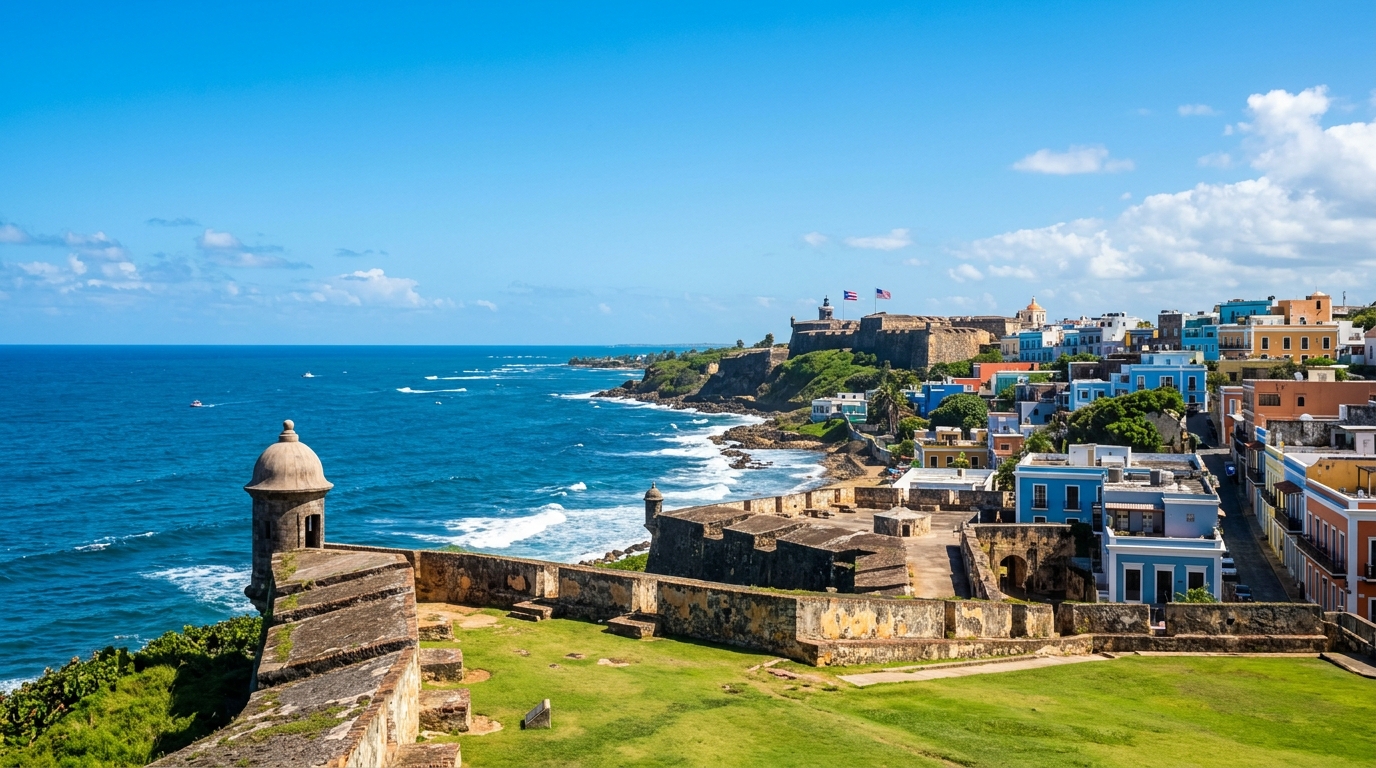
Exploring Historic Old San Juan with a Cultural Mindset: When you return to the capital, dedicate time to exploring the 500-year-old cobblestone alleys of Old San Juan (Viejo San Juan). Paved with blue adoquin stones brought over as ship ballast from Europe, the city is guarded by the imposing 16th-century fortress of Castillo San Felipe del Morro and Castillo San Cristóbal. Skip tourist-trap eateries along Calle Fortaleza and seek out neighborhood gems like Café El Jibarito on Calle Sol for authentic mofongo—garlic-infused mashed green plantains topped with succulent criollo shrimp or slow-braised carne frita.
Venture into El Yunque Rainforest & Bioluminescent Bays: Complete your Boricua journey by hiking the cloud forest trails of El Yunque National Forest, the only tropical rainforest in the United States National Forest System, home to the endangered Puerto Rican parrot and the soothing chorus of millions of tiny Coquí tree frogs. At night, head to Laguna Grande in Fajardo or Mosquito Bay in Vieques to kayak through waters aglow with billions of microscopic dinoflagellates that illuminate with bright blue-green light at every stroke of your paddle.
Empowering Local Boricua Communities with One Caribbean: When planning your Puerto Rico road trip, corporate aggregators often steer travelers toward corporate bus tours with inflated markups. The One Caribbean app—developed by One Caribbean LLC under visionary founder Daryl Marcano—connects travelers directly with authentic chinchorros, independent salsa venues, and local transport operators with 0% middleman fees. With offline GPS maps for navigating mountainous roads and live streaming of Puerto Rican radio, One Caribbean puts the real soul of Puerto Rico right in your pocket.
Verified Local Spots & Vendors
Lechonera Los Pinos
$10 - $18 USDPR-184 KM 27.7, Guavate, Cayey
Specialty: Crispy Lechon Asado, Morcilla & Pavochon
Kiosko El Boricua
$3 - $6 USDPR-187, Piñones, Loíza
Specialty: Fresh Crab Alcapurrias & Bacalaítos
Immerse in Puerto Rico Sounds
Listen to live streaming FM stations from the island.
Frequently Asked Questions
What is the best day to go chinchorreo in Guavate?
Saturdays and Sundays from 11:30 AM to 5:00 PM are peak chinchorreo hours, featuring live salsa bands, bustling crowds, and the freshest whole roasted pork straight from the spit.
Do I need cash for food kiosks in Piñones and Guavate?
While many vendors now accept ATH Móvil or credit cards, carrying $30 to $50 in cash is highly recommended for smaller beach shacks and coconut water stands.
What is the difference between an alcapurria and an empanadilla?
An alcapurria has a dough made of grated green bananas and yautía (root vegetable) and is deep-fried to a rough, crispy texture. An empanadilla uses a smooth, pastry-like flour turnover crust.