USVI Local Guide: St. Thomas Pâtés, St. John Trunk Bay Snorkel & St. Croix Crucian Rum
How to experience the distinct character of all three Virgin Islands without tourist markups.
Insider Key Takeaways
- No passport required for US citizens traveling to the USVI.
- Driving is on the LEFT side of the road with standard American left-hand drive cars.
- Public passenger ferries run between St. Thomas and St. John every hour on the hour.
The United States Virgin Islands (USVI)—comprising St. Thomas, St. John, and St. Croix—is an extraordinary Caribbean territory blending deep Afro-Caribbean heritage, Danish colonial history, and stunning natural wonders. Because no US passport is required for American citizens, the territory is a popular vacation getaway. However, travelers who only spend four hours browsing duty-free jewelry shops in Charlotte Amalie miss out on the rich Crucian and Virgin Islands culture that has thrived across these hills and turquoise cays for centuries.
St. Thomas: Frenchtown Seafood & Mountain Lookouts. While cruise crowds throng Havensight and Magens Bay, head over to Frenchtown—a historic fishing village on the western edge of Charlotte Amalie harbor settled by French migrants from St. Barthélemy in the 19th century. Dine at family-owned bistros serving freshly caught yellowtail snapper and spiny lobster. For panoramic views, drive up Crown Mountain to Drake's Seat or Mountain Top, taking in sweeping vistas across Drake's Passage toward the British Virgin Islands.
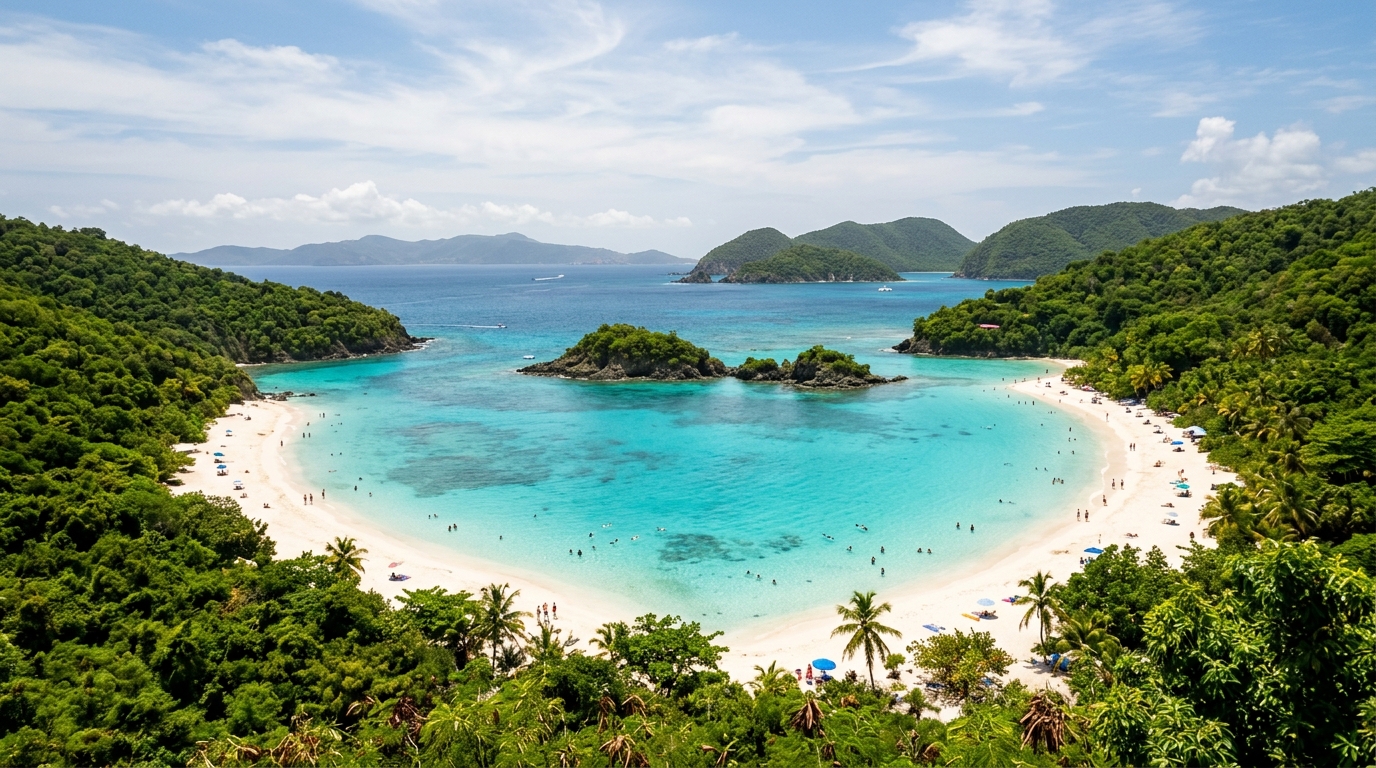
St. John: Pristine National Park & Sea Turtle Sanctuaries. Just a 20-minute passenger ferry ride from Red Hook on St. Thomas brings you to Cruz Bay, St. John. Over two-thirds of St. John is preserved as the Virgin Islands National Park, established in 1956 through lands donated by Laurance Rockefeller. Hike the Reef Bay Trail through dense tropical hardwood forests past pre-Columbian petroglyphs carved by indigenous Taíno people into natural stone pools, culminating in the ruins of an 18th-century sugar estate. Afterwards, snorkel alongside wild hawksbill and green sea turtles over the gentle seagrass beds of Maho Bay or Cinnamon Bay.
St. Croix: Crucian Heritage & Twin Historic Towns. St. Croix, the largest of the three islands, sits 40 miles south across the Caribbean Sea and possesses a distinctly different, unhurried cultural soul. Unlike mountainous St. Thomas, St. Croix features rolling green hills that were once home to over 200 Danish sugar plantations. Explore the twin historic towns: Christiansted, famous for its yellow Danish colonial fort and charming waterfront boardwalk, and Frederiksted on the west coast, known for its Victorian gingerbread architecture and vibrant freedom history.
Honoring Crucian Freedom & Emancipation: St. Croix is the birthplace of Caribbean emancipation. In July 1848, an enslaved Afro-Crucian leader named John Gottlieb (known as 'General Buddhoe') organized a non-violent rebellion of over 9,000 enslaved people in Frederiksted, forcing Danish Governor Peter von Scholten to declare immediate emancipation—15 years before the United States Emancipation Proclamation. Visit Fort Frederik, where this historic decree was read, and stand in awe of the statue of Buddhoe holding his conch horn.
Tasting Local Crucian Specialties: When dining in St. Croix, seek out roadside cookshops and festival booths for authentic Crucian delicacies. Order a fresh Crucian Pate (spiced ground beef, chicken, or salted cod encased in a flaky pastry dough and deep-fried until blistered and golden), Kallaloo soup (a rich, savory broth simmered with callaloo greens, okra, salted meats, and seafood), and Dumb Bread (a dense, rich coconut-infused round bread baked in a skillet over coals and stuffed with sharp cheddar cheese).
Cruzan Rum Heritage Since 1760: St. Croix has been distilling world-class rum at Estate Diamond since 1760. Visit the historic Cruzan Rum Distillery to witness five-column continuous distillation that produces some of the smoothest, cleanest rums in the world, aged exclusively in used American oak bourbon barrels. Sample their Single Barrel and Estate Diamond Dark rums, which showcase complex notes of vanilla, toasted oak, and butterscotch.
Explore the USVI Authentically with One Caribbean: Navigating inter-island ferries between St. Thomas and St. John, or finding authentic local tour guides in St. Croix, is simplified with the One Caribbean app (engineered by One Caribbean LLC, founded by Daryl Marcano). With offline GPS trail maps for the Virgin Islands National Park, direct contact cards for independent water taxi operators with 0% middleman fees, and live streaming of local Virgin Islands calypso and reggae stations, One Caribbean connects you directly with the authentic culture of the territory.
Verified Local Spots & Vendors
Glady's Cafe
$14 - $24 USDRoyal Dane Mall, Charlotte Amalie, St. Thomas
Specialty: Curried Mutton, Stewed Oxtail & Homemade Hot Sauces
Immerse in U.S. Virgin Islands Sounds
Listen to live streaming FM stations from the island.
Frequently Asked Questions
Do US citizens need a passport to visit the US Virgin Islands?
No, US citizens do not need a passport to enter the USVI from the United States, though carrying a government-issued photo ID and birth certificate (or passport for seamless travel) is required.
How do you travel between St. Thomas, St. John, and St. Croix?
St. Thomas and St. John are connected by frequent 20-minute passenger ferries between Red Hook and Cruz Bay. St. Croix is reached from St. Thomas via the QE IV fast passenger ferry (90 minutes) or a 20-minute seaplane flight with Seaborne/Silver Airways.
Which side of the road do you drive on in the USVI?
Vehicles drive on the left-hand side of the road in the USVI, even though most vehicles are standard American imports with the steering wheel on the left.